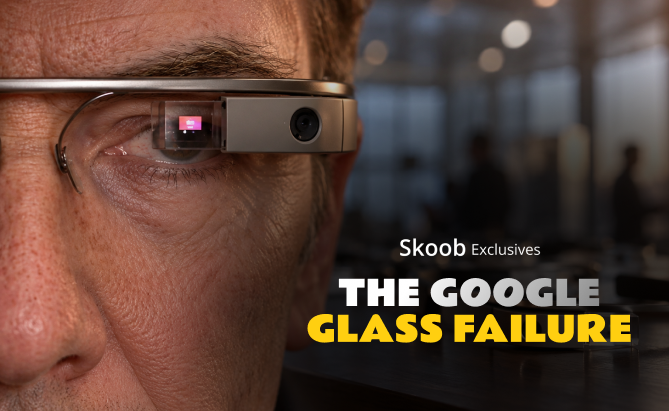
The Google Glass Failure
Why did the world reject highly futuristic glasses?

4.7 (10)

39 mins
Discover why Google's ambitious smart glasses sparked privacy fears and public backlash after their 2013 launch. Explore how technical flaws, high prices, and social rejection forced the consumer product off the market within two years. Learn about the clever pivot that saved the underlying technology by moving it into enterprise and industrial workplaces.
Ep 1:
The Glasshole Origin Story
Before it became a punchline, Google Glass was a Silicon Valley sensation—born from decades-old dreams of wearable computing and unveiled with jaw-dropping fanfare at Google I/O 2012.
Ep 2:
Backlash: Privacy, Panic, and Overheating Faces
Fifteen hundred dollars bought you eye strain, overheating hardware, hackable security flaws, and a new nickname: Glasshole. Here's how public trust in Google Glass collapsed almost overnight.
Ep 3:
Bricked Dreams and Broken Promises
Battery life measured in minutes, accessibility failures, and a Terms of Service that let Google remotely brick your device—discover the final indignities that killed the Explorer Edition.
Ep 4:
From Flop to Phoenix: Glass Reborn
Just when Google Glass seemed finished, factories and hospitals found real uses for it. We trace its surprising enterprise comeback and ask what its legacy really means for the future of wearable tech.
Discussions (5)

Sidney
Level 9 · 10 hours agoThe 'Glasshole' nickname going viral was the moment it was over. Once a product gets a mocking label that sticks, there is NO coming back from that!

Hugh
Level 2 · 10 hours agoThe first prototype weighed 8 lbs? Checked it. Multiple sources confirm this. That thing strapped to your face would have snapped your neck before you ever saw an AR overlay.

Emil
Level 8 · 10 hours agoThe Glasshole nickname going viral genuinely killed any chance of recovery. Once a product gets a meme attached to it that sticks that hard there's no coming back from it